

We like to keep our projects super simple, transparent and community based.
Venture director, Michael, comes from Rukungiri district in southwestern Uganda and this project is based there. We have strong community support and other projects and tourism activities in the area.
What’s the problem, according to the local community?
- trees have been cut down to create land for agriculture and timber and to get fire wood for cooking. This has contributed enormously to climate change particularly affecting farmers.
- many local children have poor nutrition and would benefit from eating more fruits
- community members and, in particular, young people need to learn more about the value of trees to the environment, how to care for them, nutrition and the commercial opportunities that fruit trees bring
- the local wildlife, particularly birdlife, has faced a loss of habitat and food sources
How can Venture help?
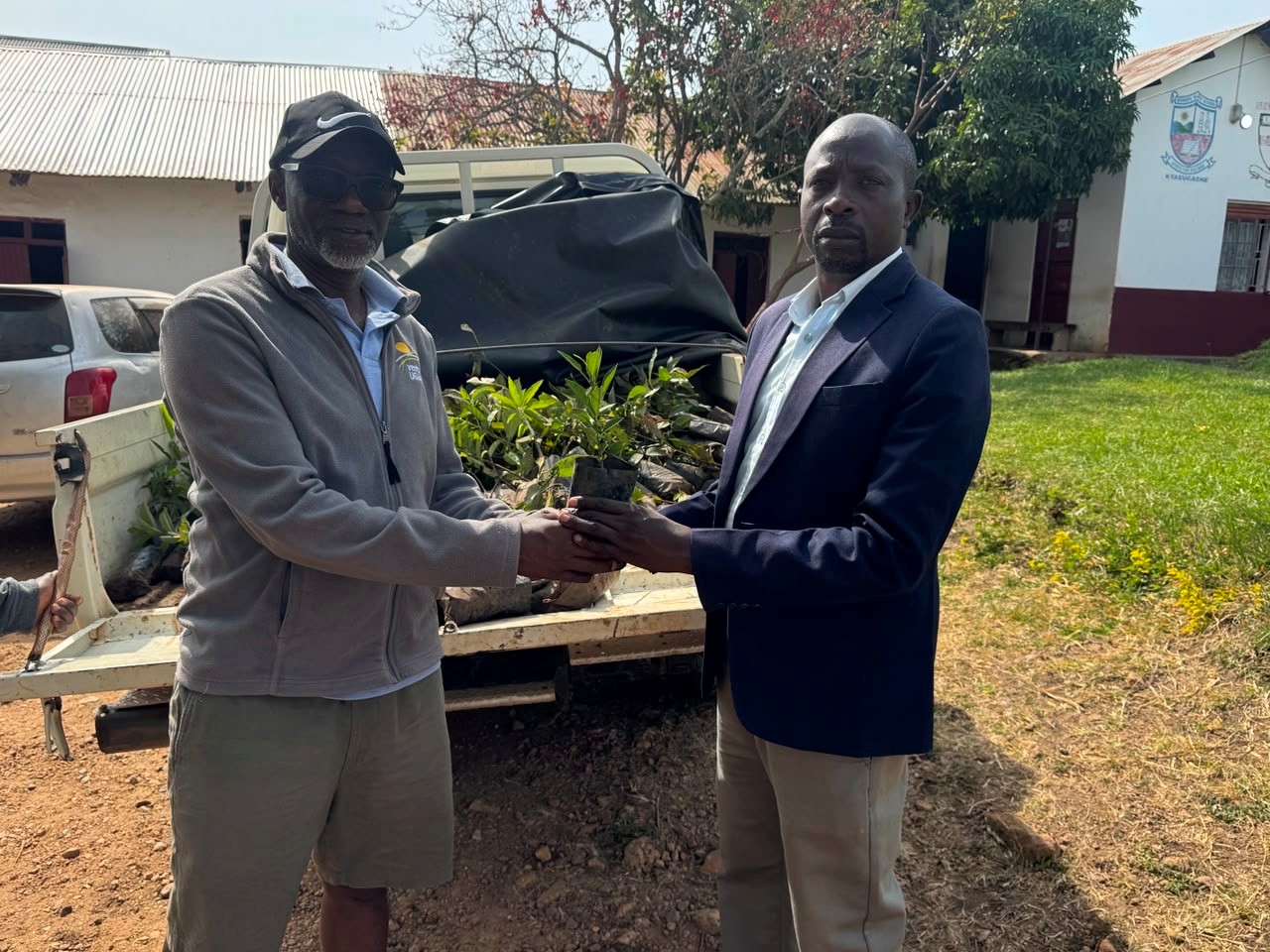
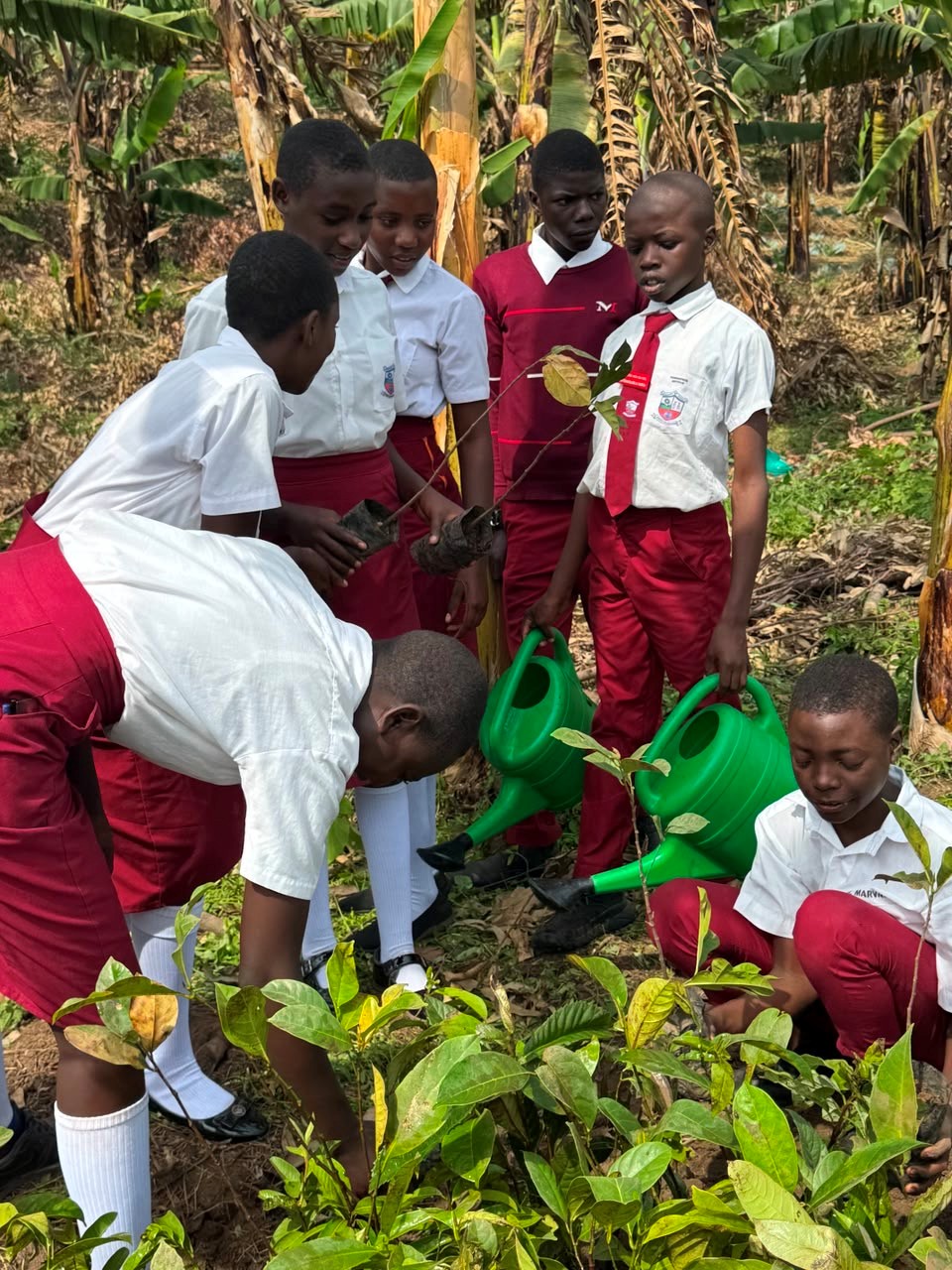
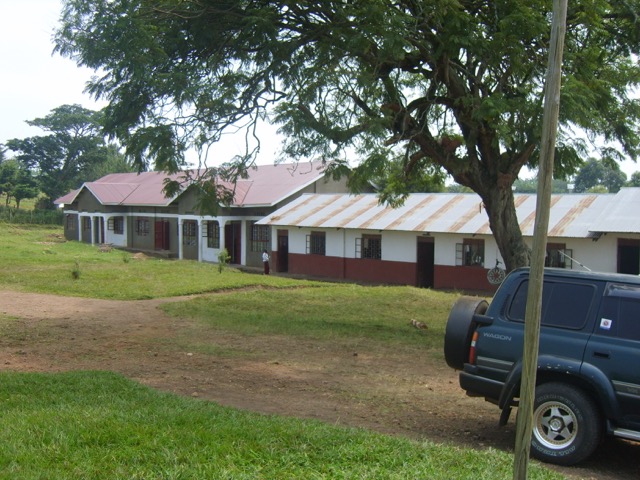
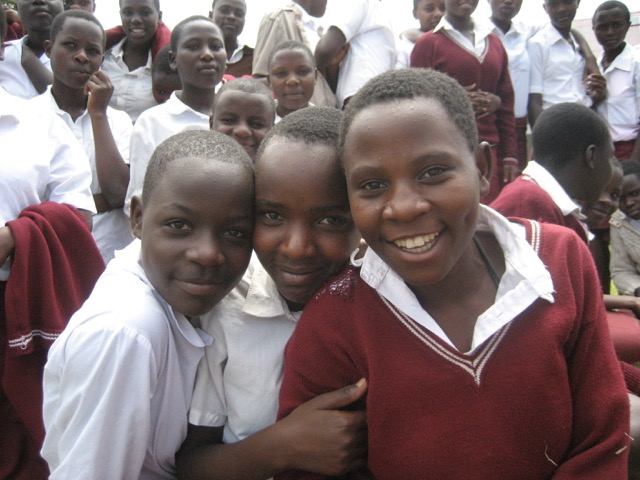
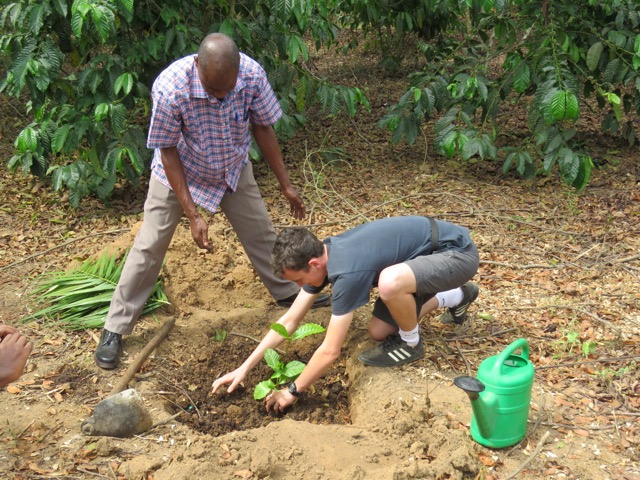
Building on our longstanding partnership with Bishop’s High School, Kyabugashe, we are providing fruit tree seedlings for students to plant at the school. This sets an example in the community, enables students to learn how to care for the trees and provides fruits to supplement school meals.
Then, although land is fragmented and expensive in this region, we will buy a small piece of land, near the school, and facilitate further tree planting on a demonstration plot. This will be supervised by knowledgeable community members and open to all to come and learn. If funds are enough, we will establish a second demonstration plot near a neighbouring primary school.
The schools will be able to teach students about the project through their wildlife and entrepreneurship clubs. Venture can support club activities with various inputs from talks from our guides and staff, to client visits.
How to support this initiative
Clients, trade partners and other well-wishers can donate either when booking a holiday, directly into our Uganda bank account, or give cash when in-country.
All donations will be listed on our website and full accounts will be published there too.
Clients are welcome to include a visit in their itinerary and spend some time planting trees and talking to some of the local people involved.
They may also be able to visit the school, depending on the timing.
Mid-year progress
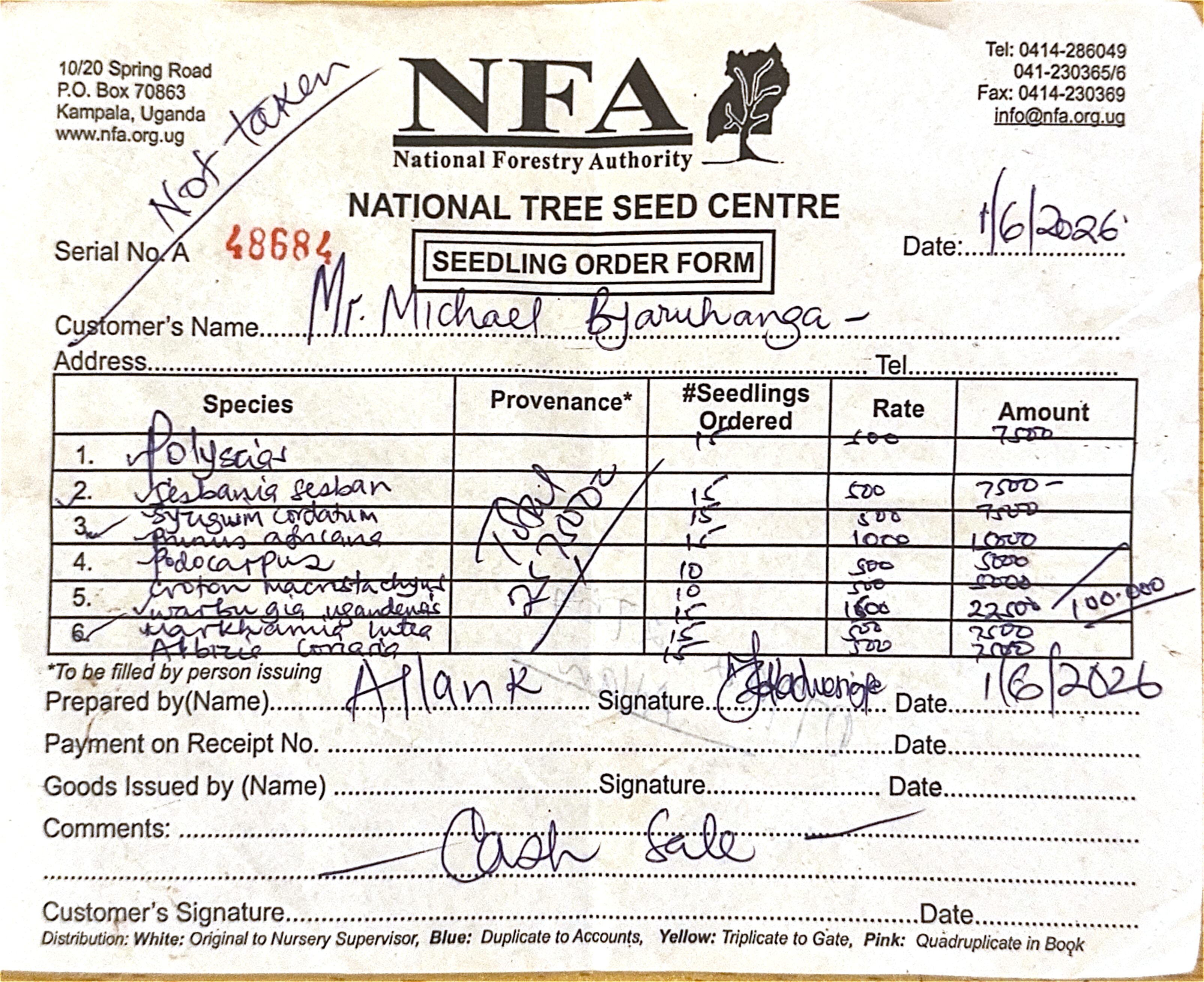
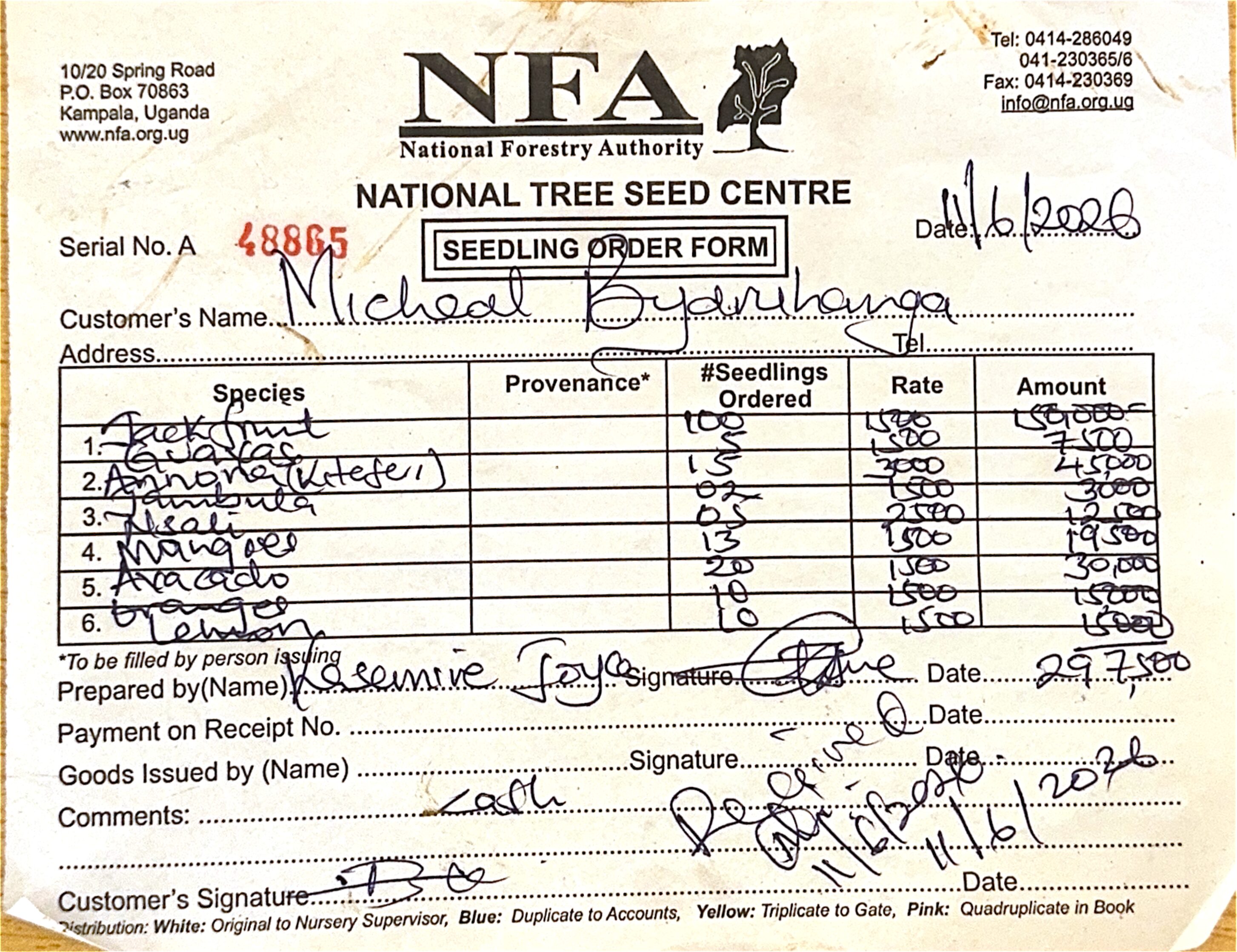
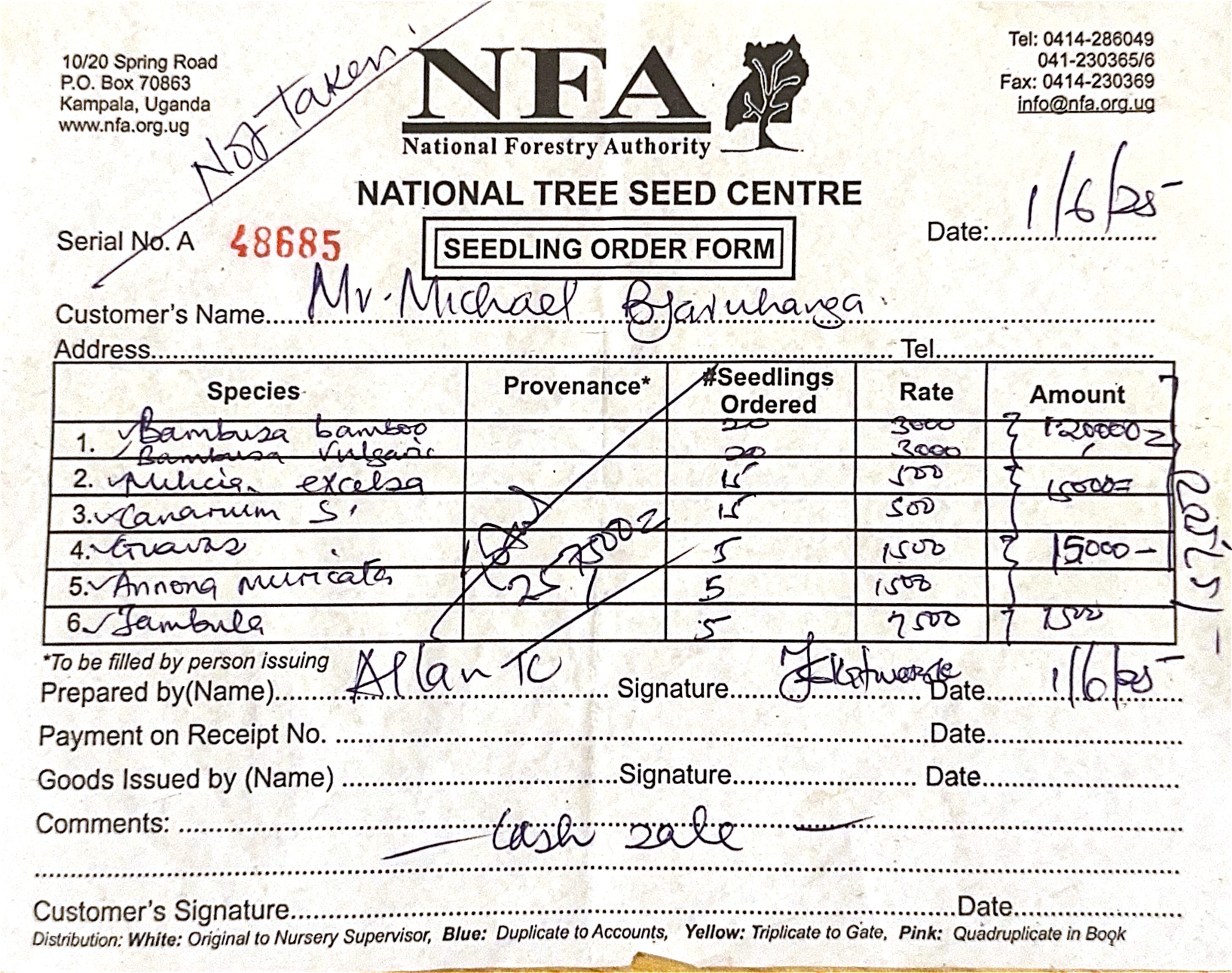
By the end of June 2026, we have planted over 400 seedlings. These have all been funded by Venture Uganda Travel.
Bishop’s High School has contributed land for the purpose and been teaching students about the species selected and how to plant and care for them. When these trees mature, their fruit will supplement school meals.
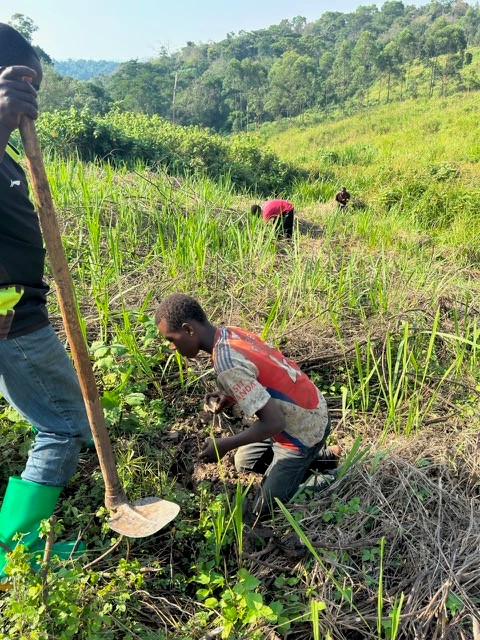
In addition, an acre of indigenous species have been planted on our private land, adjacent to a forest fragment which we are trying to protect. In time, these trees will increase habitat and food sources for birds and other wildlife.